CASE STUDY · WILLIAMS FI | WEROAD | TRIPADVISOR | VIATOR
Building the conditions for great teams to thrive
Throughout my career, I’ve focused on helping teams do their best work: building clarity around what matters, fostering strong cross-functional partnerships, and creating the conditions for people to grow and deliver meaningful impact.
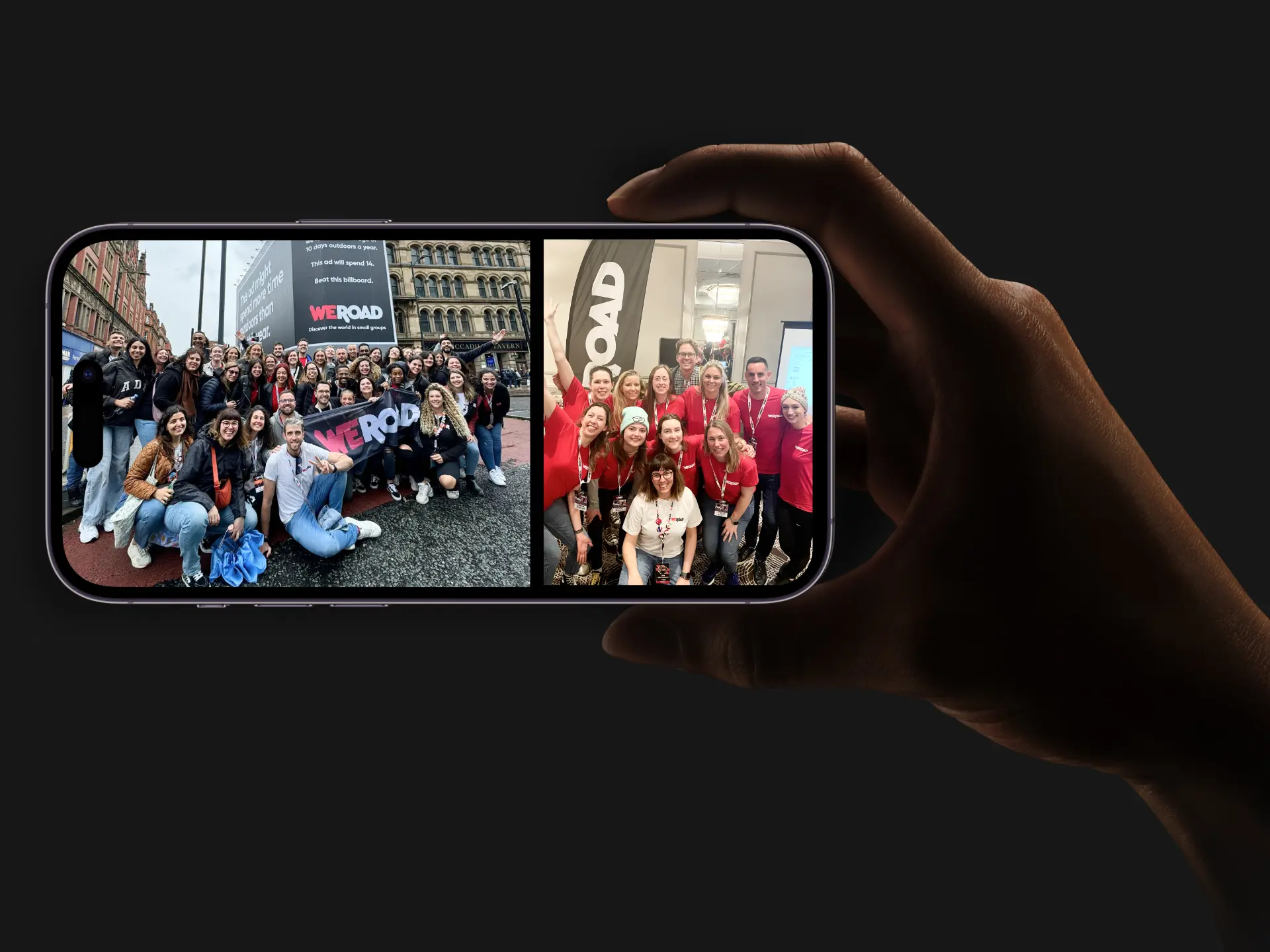
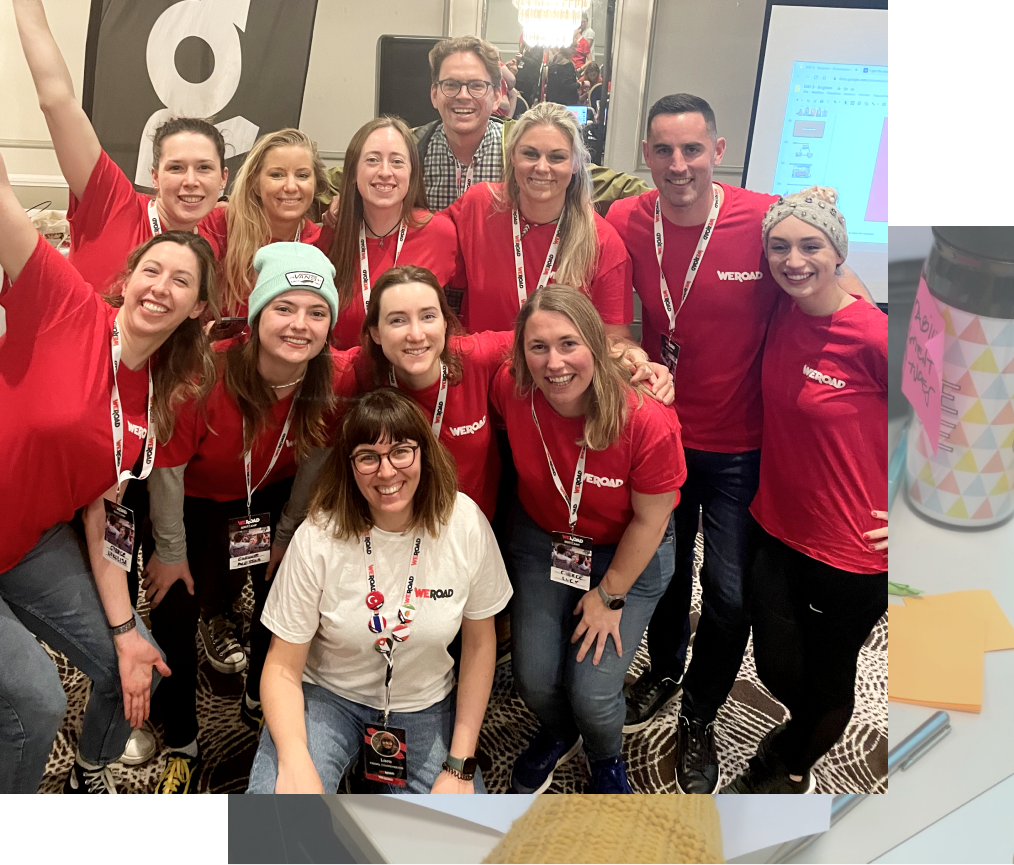
At Viator/Tripadvisor, I spent time managing within the Product Design team, supporting designers as the organization scaled. At WeRoad, I’ve spent three years as a Senior Scouter, helping identify and select the next generation of travel coordinators. Today, I continue to support other product designers through mentoring.
These experiences have shaped my approach to leadership. I’ve learned that high-performing teams aren’t built by hiring talented people alone. They emerge when a clear direction, effective collaboration, and thoughtful team development come together.
Three foundations of high-performing teams
01. Clear vision, shared direction
Teams do their best work when they understand not only what they’re building, but why it matters.
A clear vision connects day-to-day decisions to broader business objectives and customer needs. It gives teams the context to make informed decisions independently, prioritize effectively, and stay focused on outcomes rather than outputs.
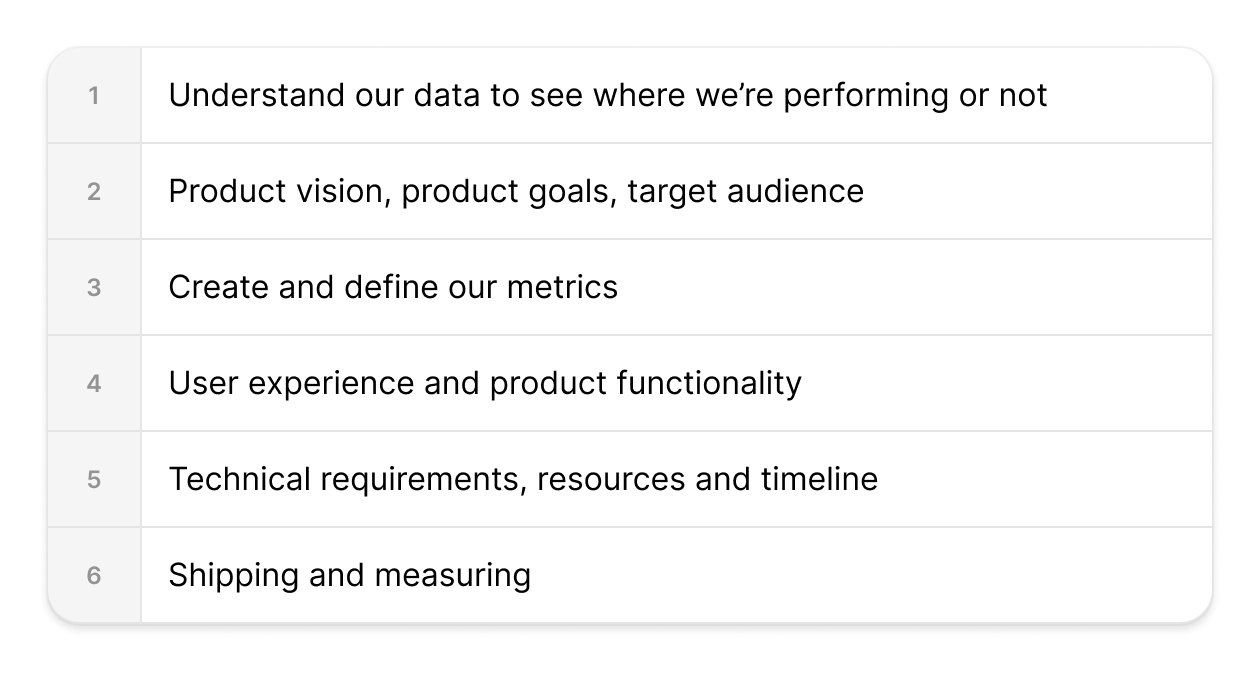
I approach this by asking a few fundamental questions:
- Vision: Where are we going, and can everyone articulate it?
- Strategy: How will we get there, and what trade-offs will we need to make?
- Customer and business context: What do we know about our users, our market, and the business?
- Success metrics: How will we know we’re making progress?
- Alignment: How does our team’s work contribute to the wider company strategy?
My goal is to create shared understanding and give teams the clarity and autonomy they need to move in the same direction.
02. Cross-functional collaboration
The strongest product outcomes rarely come from design working in isolation. They emerge when Product, Design, Engineering, Analytics, and other stakeholders bring their expertise together around a shared problem.
Effective collaboration means involving the right people early, making different perspectives part of the process, and building a shared understanding of both customer needs and business constraints.
It also means creating an environment where people can challenge assumptions, exchange feedback, and make decisions together.
When collaboration works well, teams can identify better opportunities, reduce unnecessary rework, and deliver solutions that balance customer value, technical feasibility, and business impact.
A practical example: The checkout redesign at Viator demonstrates how close cross-functional collaboration can shape a better product experience.
→ Read the Viator checkout redesign case study
03. Focused execution and effective prioritization
Even the most talented teams struggle without the right structure to turn strategy into action.
Effective execution requires clear priorities, realistic plans, and an honest understanding of the team’s capacity. It also requires knowing when to say no, when to adapt, and where additional support is needed.
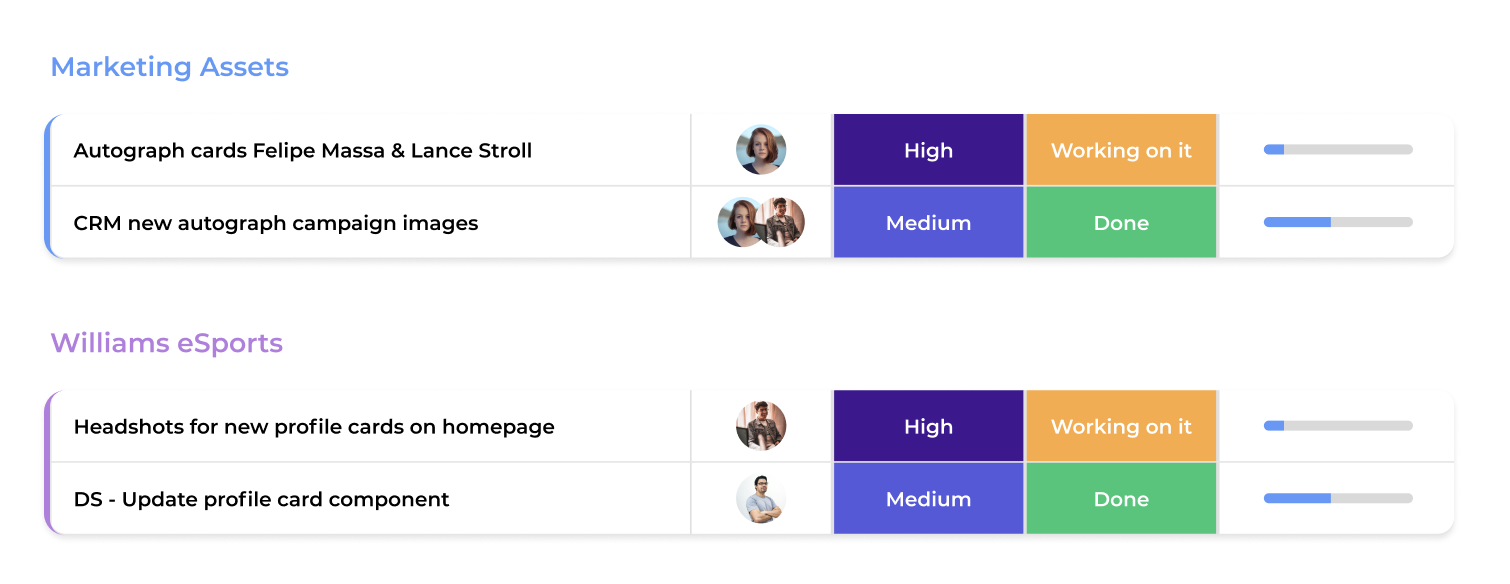
The questions I return to are:
- Are the right people working on the right problems?
- Do we have a clear roadmap and shared priorities?
- Are responsibilities and decision-making ownership understood?
- Is the team equipped to deliver, or are competing demands getting in the way?
- Are we making progress toward outcomes, rather than simply completing tasks?
I see planning and project management as tools for enabling teams, not controlling them. The objective is to create enough structure to maintain focus while leaving room for exploration, learning, and iteration.
Building the conditions for people to thrive
Strong team performance depends on more than strategy and processes. It also depends on how people learn, communicate, and work together.
Over time, I’ve identified three practices that make a meaningful difference.
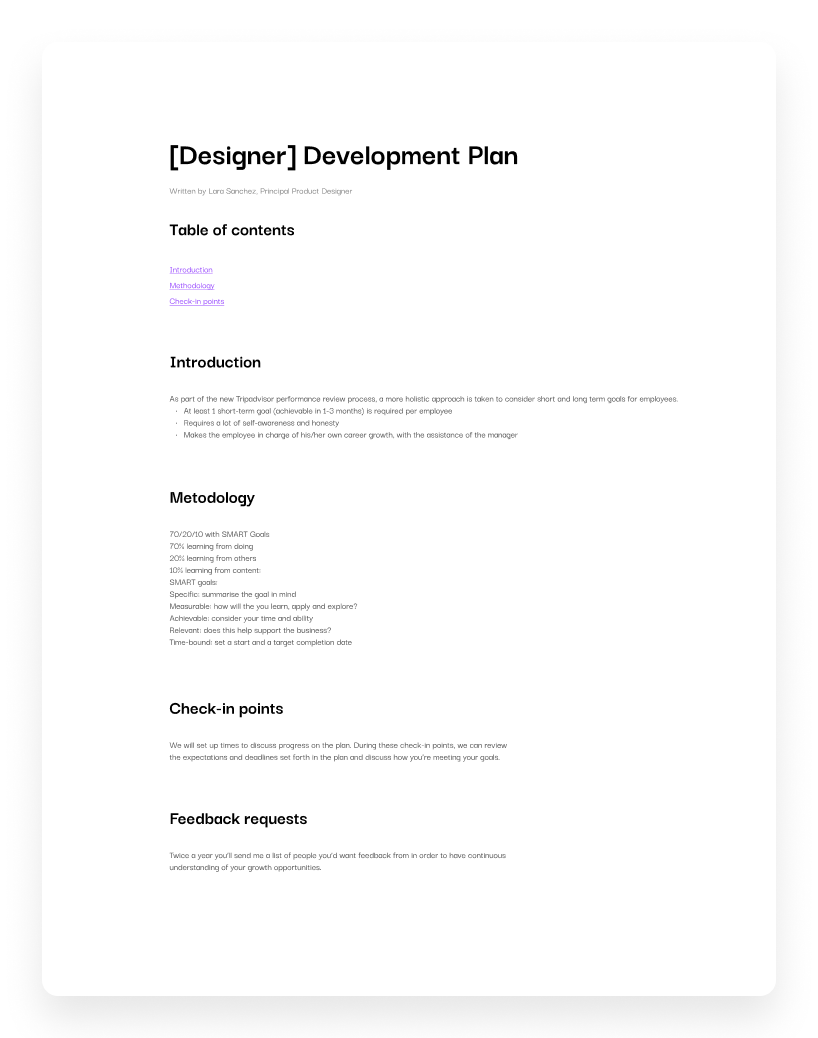
01. Cultivate a growth mindset
I believe people do their best work when they feel encouraged to learn, take on challenges, and develop beyond their current capabilities.
A growth mindset creates space for experimentation and constructive failure. It shifts the focus from proving what we already know to discovering what we could do better.
As a leader and mentor, I aim to recognize each person’s potential, understand their development goals, and provide opportunities that stretch their abilities without setting them up to fail.
This means offering thoughtful challenges, giving actionable feedback, and treating setbacks as opportunities to learn. Much like product design itself, professional growth is an iterative process.
02. Create clarity through communication and feedback
Clear expectations help people understand what success looks like, where they have autonomy, and when they need support.
I value regular one-to-one conversations, actionable feedback, and consistent opportunities to share work in progress. These practices help surface challenges early, encourage reflection, and make development an ongoing conversation rather than an occasional performance review.
In distributed teams, communication also needs to work asynchronously. Documented decisions, shared work, and structured feedback help people contribute effectively regardless of their location or working hours.
I’ve also developed design rituals that account for different working styles, personalities, and levels of experience. Rather than expecting everyone to thrive under the same conditions, I aim to create a framework in which people can do their best work while continuing to grow.
03. Put people in positions to succeed
Building a strong team isn’t simply about finding talented people. It’s about understanding their strengths, motivations, and development areas, then creating the right opportunities for them to contribute.
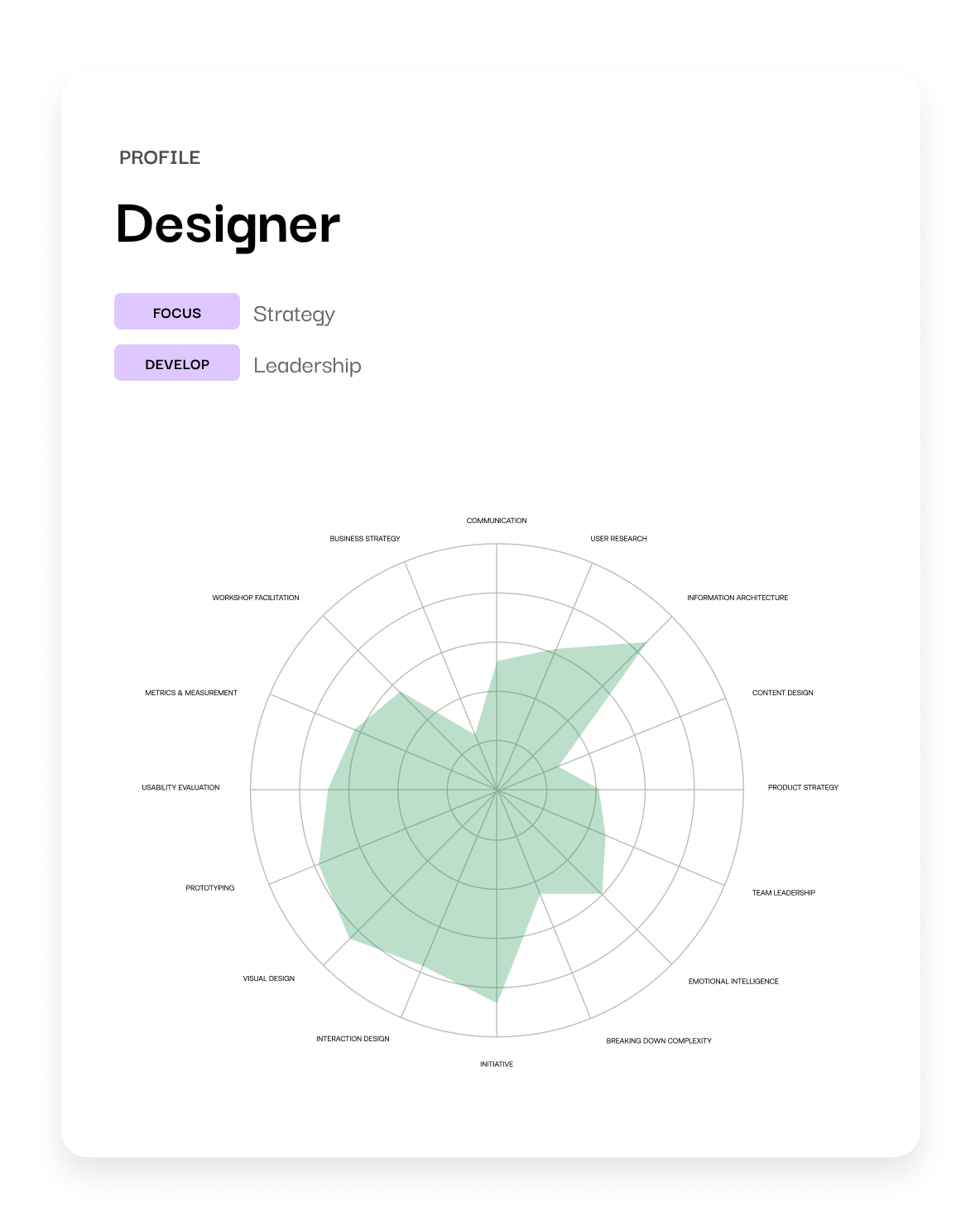
I’ve used strengths-based approaches during onboarding and revisited them periodically to understand how people are evolving, where they can have the greatest impact, and what they need to progress.
This helps make development more intentional, supports better collaboration, and encourages people to take ownership of their growth.
At Viator/Tripadvisor, this approach became particularly relevant as the organization expanded and new designers joined the team. Understanding individual strengths and development needs helped me support designers through a period of growth and change.
At WeRoad, I’ve applied a similar mindset from a different perspective. For three years, I’ve worked as a Senior Scouter, helping select and evaluate candidates for travel coordinator roles. The process involves looking beyond a candidate’s experience to assess their potential, interpersonal skills, adaptability, and ability to navigate challenging situations while supporting travelers in destination.
Both experiences have reinforced the same principle: finding the right people is only the beginning. Understanding what they bring, where they can grow, and how they can succeed is what makes the difference.
My approach to leadership
I don’t believe there’s a single formula for building a high-performing team. Every team has its own strengths, challenges, and context.
What I’ve consistently found is that strong outcomes become more achievable when people have a clear direction, collaborate around shared goals, and feel supported in doing their best work.
My approach is grounded in three principles:
- Create clarity: Connect the team’s work to a meaningful vision and establish clear priorities.
- Enable collaboration: Build strong partnerships, encourage diverse perspectives, and make space for constructive feedback.
- Develop people: Recognize individual strengths, create opportunities for growth, and help people reach their potential.
Whether I’m shaping product strategy, working across disciplines, supporting designers through mentoring, or helping identify new talent, my focus remains the same: creating the conditions for people and teams to deliver their best work.